
The comfortable way to reach the highest Jyotirlinga — private cab from Delhi to Sonprayag with an experienced Himalayan driver.
Pick your car for an instant estimate, then get an exact quote on WhatsApp in one tap.
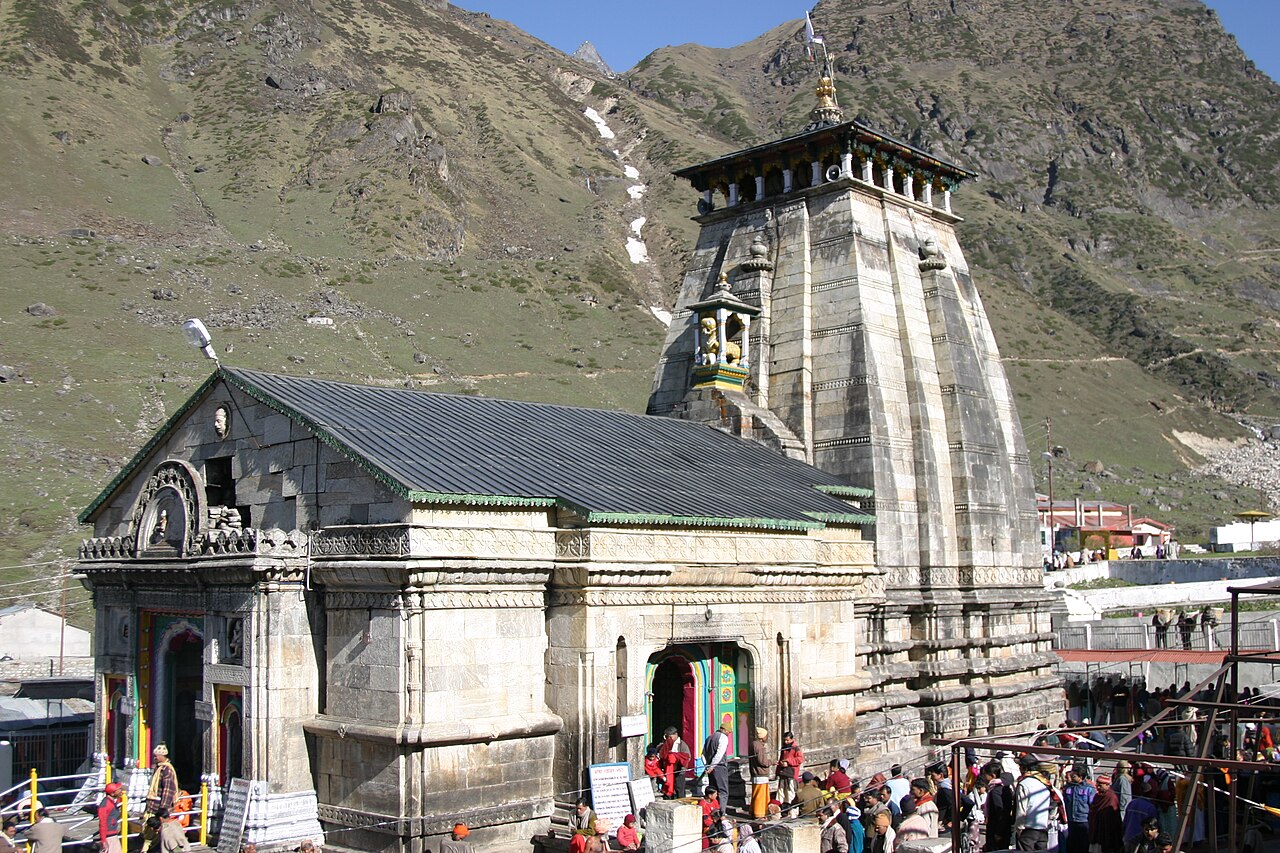
Kedarnath, set at 3,583 m in the Garhwal Himalayas beside the Mandakini river, is one of the holiest shrines of Lord Shiva and the highest of the twelve Jyotirlingas. A Kedarnath yatra by taxi from Delhi is the most comfortable way to reach this remote dham — you are driven all the way to Sonprayag or Gaurikund, from where the final 16–18 km to the temple is covered on foot, by pony, palki or helicopter.
EZPZ Cabs runs regular Delhi to Kedarnath taxi packages for families, senior citizens and pilgrim groups. Book a private AC sedan, SUV or Innova with an experienced hill driver, and travel at your own pace with halts at Rishikesh, Devprayag and Rudraprayag along the way.
Pilgrimage travel in the Himalayas needs a driver who understands narrow ghat roads, changing mountain weather and long driving days — not just any city cab. Our drivers are verified, patient and experienced on the Char Dham circuit, and our cars are sanitized and regularly serviced for hill duty. You get 24x7 support on call and WhatsApp throughout the journey, transparent fixed fares, and the flexibility to customise your route, halts and pace. Whether you are a family, a group of senior citizens or a solo devotee, we plan the trip around your comfort.
| Vehicle | Seats | Package Fare (from) |
|---|---|---|
| Sedan (Dzire / Etios) | 4 + driver | ₹13,000 |
| SUV (Ertiga) | 6 + driver | ₹16,000 |
| SUV (Innova / Crysta) | 6 + driver | ₹20,000 |
| Tempo Traveller | 12 seats | ₹34,000 |
Indicative round-trip package fares for a 3-day Delhi–Kedarnath–Delhi trip (driver, fuel, tolls & night halts included). Green tax, parking, stay, meals and pony/palki/helicopter charges are extra. Final quote depends on dates, number of days and vehicle.
The road distance from Delhi to Sonprayag is about 447 km and takes roughly 11–12 hours of driving. The usual route is Delhi → Haridwar → Rishikesh → Devprayag → Srinagar → Rudraprayag → Guptkashi → Sonprayag. From Sonprayag a short shuttle reaches Gaurikund, where the 16 km trek to Kedarnath begins.
Early-morning departure, drive via Haridwar and Rudraprayag, overnight near Sonprayag.
Drive to Gaurikund and trek/pony/heli to Kedarnath for darshan; return or halt as planned.
Drive back via Rishikesh with a break for the Ganga Aarti if time permits.
The temple opens around Akshaya Tritiya (late April/May) and closes for winter near Bhai Dooj (October/November), when the deity is shifted to Ukhimath. May–June and September are the most pleasant windows; the monsoon months of July–August can bring landslides, so plan carefully.
Himalayan pilgrimage means long days on winding roads, so comfort and safety sit at the centre of every EZPZ trip. Our vehicles are sanitized, regularly serviced and fitted for hill duty, and our drivers are trained for steep gradients, hairpin bends and sudden mountain weather. They keep sensible driving hours, stop for rest and meals, and never rush the high-altitude stretches. For larger families and groups, a Tempo Traveller keeps everyone together in one vehicle with room for luggage, while multiple cars can be arranged in convoy for very large parties.
Through the journey you stay connected to our 24x7 support desk on call and WhatsApp, so any change of plan, health concern or weather delay is handled quickly. From doorstep pickup in Delhi NCR to the final drop back home, the aim is simple — let you focus entirely on your darshan while we take care of the road.
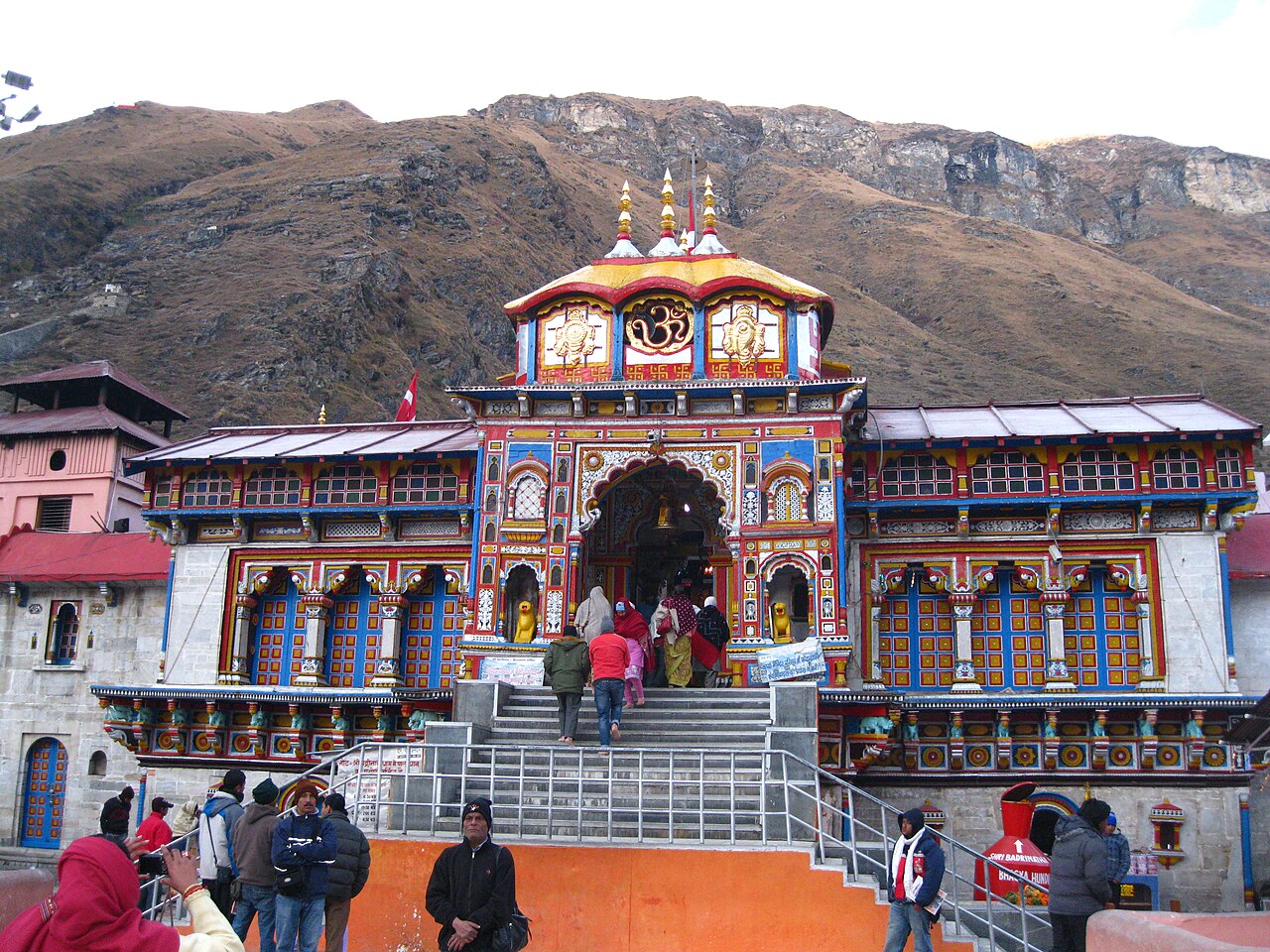
Break the drive with some of Garhwal's finest stops. Guptkashi has the Vishwanath and Ardhanarishwar temples; Triyuginarayan, believed to be where Shiva and Parvati married, keeps an eternal flame burning. Sonprayag and Gaurikund mark the confluence points and the trek head, and the hot spring at Gaurikund is a traditional pre-trek ritual. On the way up or down, Rudraprayag and Devprayag — two of the Panch Prayag sacred confluences — are worth a pause, and Rishikesh offers the famous evening Ganga Aarti at Triveni Ghat.
A private taxi is the most flexible way to do the yatra. Unlike a shared bus tour, you set your own departure time, choose your halts, and travel only with your family or group — a big advantage with senior citizens, children or early-morning darshan plans. Helicopter services (for Kedarnath, from Phata, Sersi or Guptkashi) save time on the final trek but are weather-dependent and booked separately; many pilgrims combine a taxi for the road journey with a helicopter hop for Kedarnath, and we are happy to build the itinerary around that.
Booking with EZPZ Cabs is simple: call or WhatsApp us with your travel dates, number of pilgrims and preferred vehicle, and we send back a clear, fixed quote with the full inclusions. Once you confirm, you receive booking confirmation and, closer to the date, your driver's name and number. Payment is transparent with no surge, and the itinerary stays flexible — you can add a night, a halt or a side trip whenever you wish. Our support team stays reachable throughout the journey, so help is always a call away in the mountains.
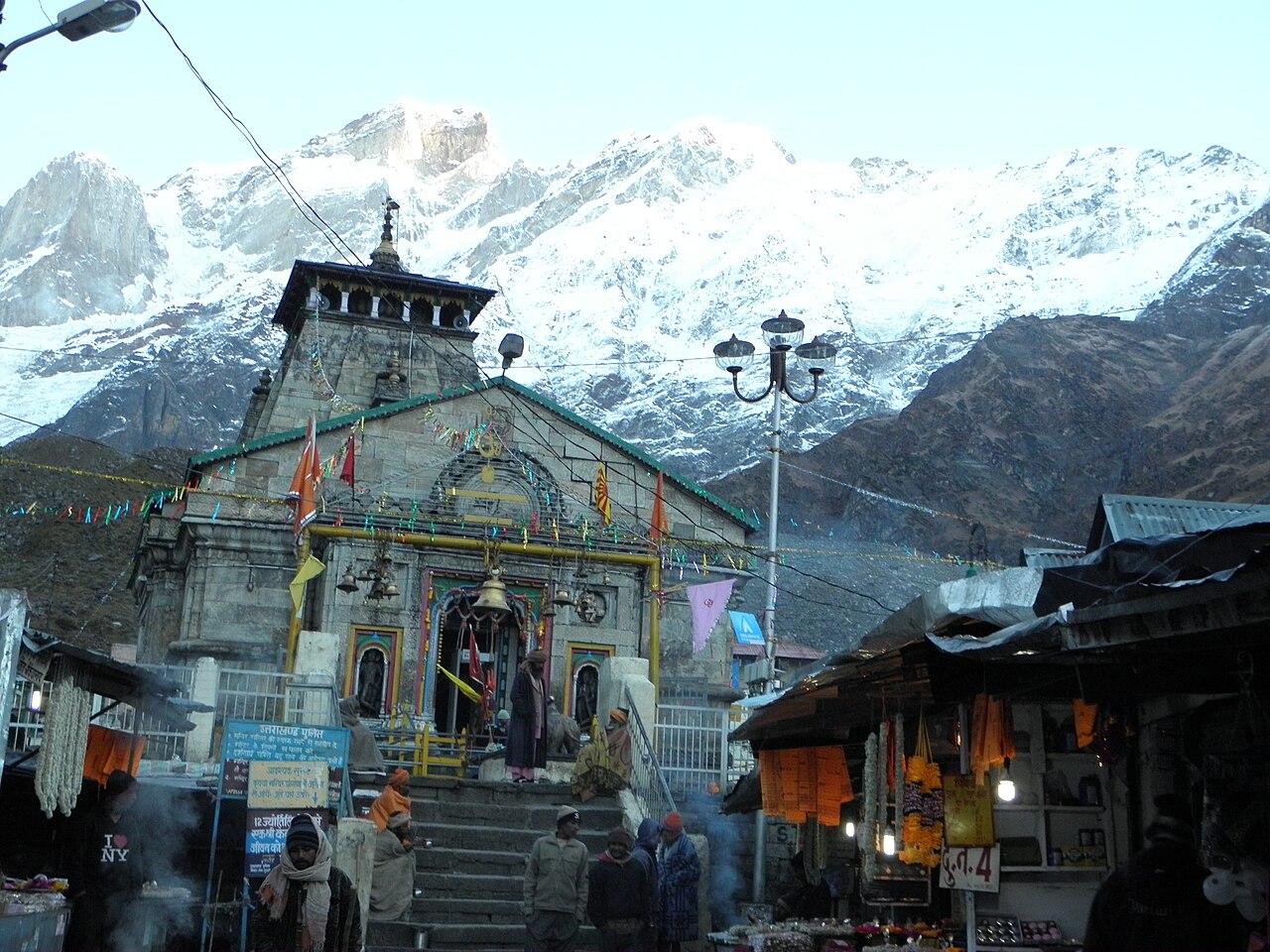
Kedarnath is the highest of the twelve Jyotirlingas of Lord Shiva and one of the four Chota Char Dham shrines of the Garhwal Himalayas. According to the Mahabharata legend, the Pandavas sought Lord Shiva after the Kurukshetra war to be absolved of their sins. Shiva, avoiding them, took the form of a bull and dived into the ground at Kedarnath, leaving his hump behind — worshipped here as a conical rock lingam. The remaining parts of the bull are revered at the Panch Kedar shrines of Tungnath, Rudranath, Madhyamaheshwar and Kalpeshwar. The present stone temple, believed to have been revived by Adi Shankaracharya in the 8th century, has withstood centuries of Himalayan weather, and famously survived the 2013 floods when a large boulder — now revered as Bhim Shila — diverted the raging waters around it.
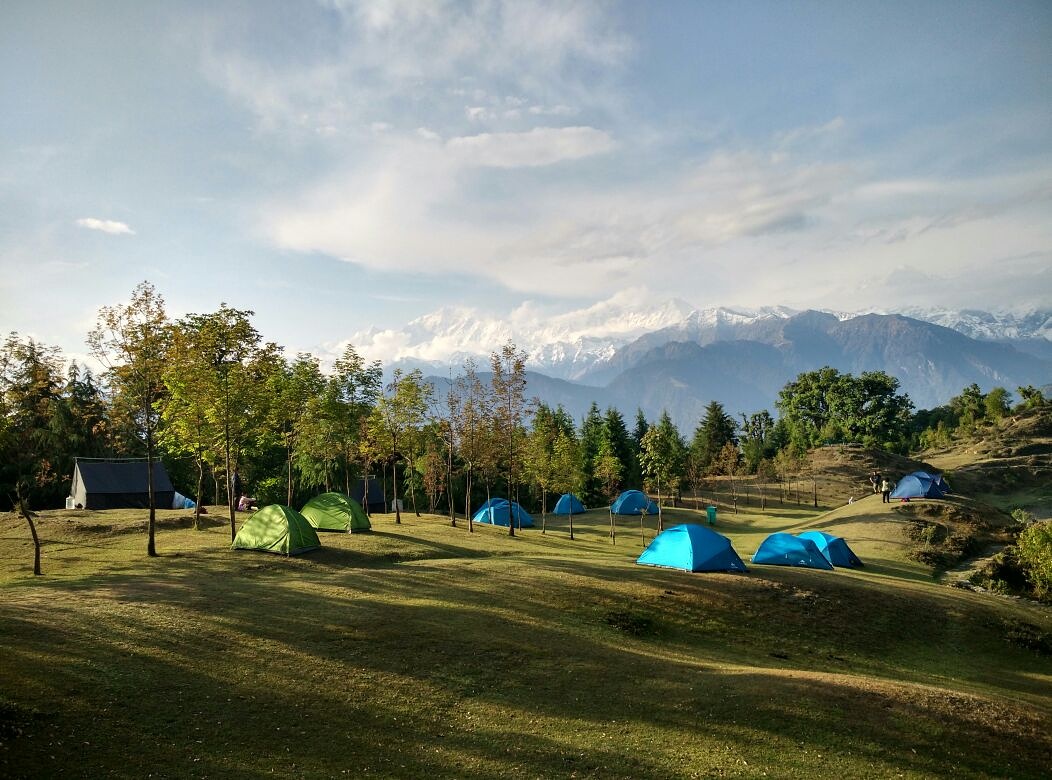
The temple opens only for about six months a year. During winter, the deity is carried in a ceremonial procession to Ukhimath, and the reopening at Kedarnath on Akshaya Tritiya is one of the most moving moments of the pilgrimage calendar. Standing before the shrine at 3,583 m, with snow peaks rising behind it and the Mandakini rushing below, is the reason so many devotees undertake this difficult but deeply rewarding journey.
All Char Dham pilgrims must complete the mandatory Uttarakhand government registration (online at the official Char Dham portal or at offline counters in Haridwar and Rishikesh) before starting the yatra. Carry a valid photo ID for every traveller. Your EZPZ driver will guide you to the check-posts along the way, but the registration itself must be done in each pilgrim's name.
Pack warm layers even in summer, as temperatures at the shrines can drop sharply; a waterproof jacket, comfortable trekking shoes, a walking stick, a torch and a personal medical kit are all useful. Senior citizens should carry prescribed medicines and consult a doctor about the high altitude before travelling. Keep some cash handy, as network and card connectivity can be patchy in the higher reaches.
We pick up pilgrims from anywhere in Delhi NCR — including Delhi, Noida, Greater Noida, Gurugram, Faridabad and Ghaziabad — at the date and time you choose. Doorstep pickup means your yatra begins right from your home, with no need to reach a common boarding point. Airport and railway station pickups can also be arranged for outstation pilgrims flying or training into Delhi.
Start each mountain day early to reach your halt before dark, as hill driving after sunset is best avoided. Keep buffer time for weather, and never rush the high-altitude sections. During peak season (May–June) book well in advance, as vehicles and hotels fill quickly. Above all, travel light on schedule and heavy on patience — the mountains reward those who move at their own unhurried pace.
Approximate driving route from Delhi NCR. Halts are planned around your comfort.
A round-trip Delhi to Kedarnath taxi starts from about ₹13,000 for a sedan and ₹20,000 for an Innova on a 3-day trip, including driver, fuel, tolls and night halts. Stay, meals and pony/helicopter charges are extra.
It is about 447 km from Delhi to Sonprayag (11–12 hours of driving). The last 16 km from Gaurikund to the temple is a trek that can also be done by pony, palki or helicopter.
Yes. We drive you comfortably up to Gaurikund, and from there pony, palki or helicopter options make the final stretch manageable for elderly pilgrims. Our drivers plan relaxed halts along the way.
Kedarnath opens around Akshaya Tritiya (late April/May) and closes near Bhai Dooj (October/November) for the winter. The best months to travel are May–June and September.
For multi-day pilgrimage trips we give a fixed package fare quoted before departure, so there is no surge and no surprise per-km billing. Green tax, parking and permits are charged as actuals.
Fixed fares, experienced hill drivers and a flexible itinerary planned around your comfort.
Call +91 98711 21217 WhatsApp Us