
Forts on the hills, a palace-pink old town and a boot-full of bazaars — all reached in one all-inclusive fare, with a driver who knows every gate and shortcut.
One final price — no separate State Tax, Toll or Fuel charges.
Jaipur is the gateway to Rajasthan and the easiest of its great cities to reach from Delhi — roughly 280 km down NH-48, a comfortable five to six hours by car. It is a city built for show: honey-coloured ramparts strung along the Aravalli ridges, a walled old town washed in terracotta pink, and a grid of streets so orderly that town planners still study it three centuries on. A day is enough for a taste; two or three lets the forts, palaces and bazaars unfold at their own unhurried pace.
Jaipur was founded in 1727 by Maharaja Sawai Jai Singh II, who moved his capital down from the cramped hill fort of Amer in search of water and room to grow. What he built was extraordinary for its time: India’s first properly planned city, laid out on a grid of nine rectangular sectors by the scholar-architect Vidyadhar Bhattacharya, who worked strictly to the ancient principles of the Shilpa Shastra. Wide, straight streets, walled quarters and gated entrances were all set down before a single house rose.
The colour came later. In 1876 the whole old town was painted a warm terracotta pink to welcome the Prince of Wales, and the shade — traditionally the colour of hospitality — was never washed off. Jai Singh was also an astronomer of real standing, and the giant masonry instruments he raised at the Jantar Mantar still keep time to this day. In 2019, the walled city was inscribed as a UNESCO World Heritage Site.
Jaipur sits on the semi-arid edge of the Aravallis, and its year splits cleanly into three. Winter is the season to aim for; summer is fierce; the monsoon is brief but welcome.
Cool, clear days made for forts and bazaars — and festival season. Book stays early around Diwali and the Literature Festival.
Genuinely hot. Start early, rest at midday and keep water close; hotel rates are at their lowest.
Short, heavy showers turn the Aravallis green and the light golden — a quietly lovely, less-crowded time.
Lit Fest (Jan), Kite Festival (Jan), Gangaur (Mar), Teej (Jul), Diwali (Oct–Nov).
The headline sights cluster into two easy halves — the hilltop forts of Amer, Jaigarh and Nahargarh above the city, and the palace-and-observatory heart of the old town. Timings and fees below are for 2026; always double-check at the counter on the day.
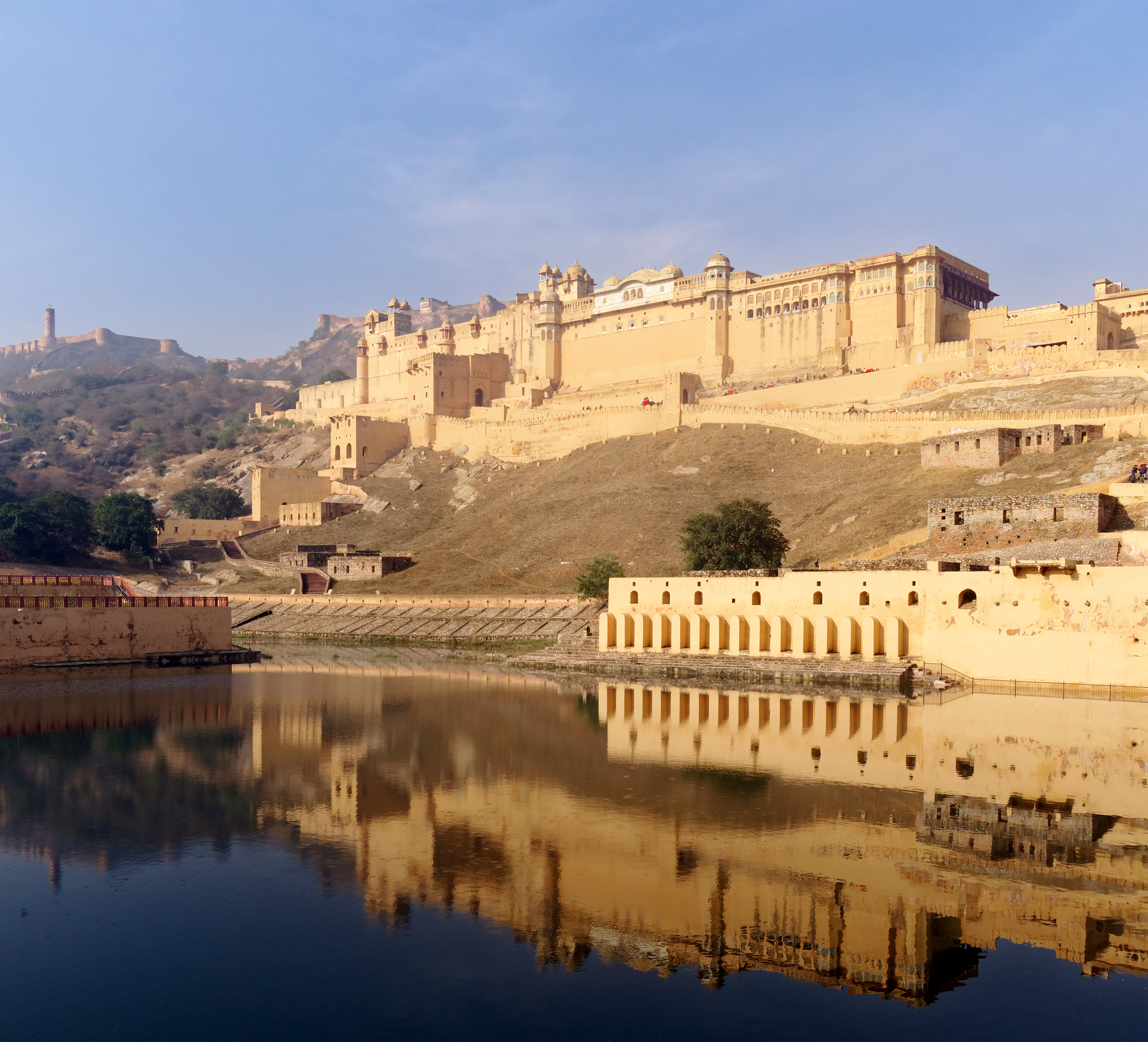
The showpiece — a honey-and-marble hill fort of mirror halls, courtyards and ramparts, best reached by a slow climb up the cobbled ramp. A UNESCO-listed hill fort of Rajasthan.
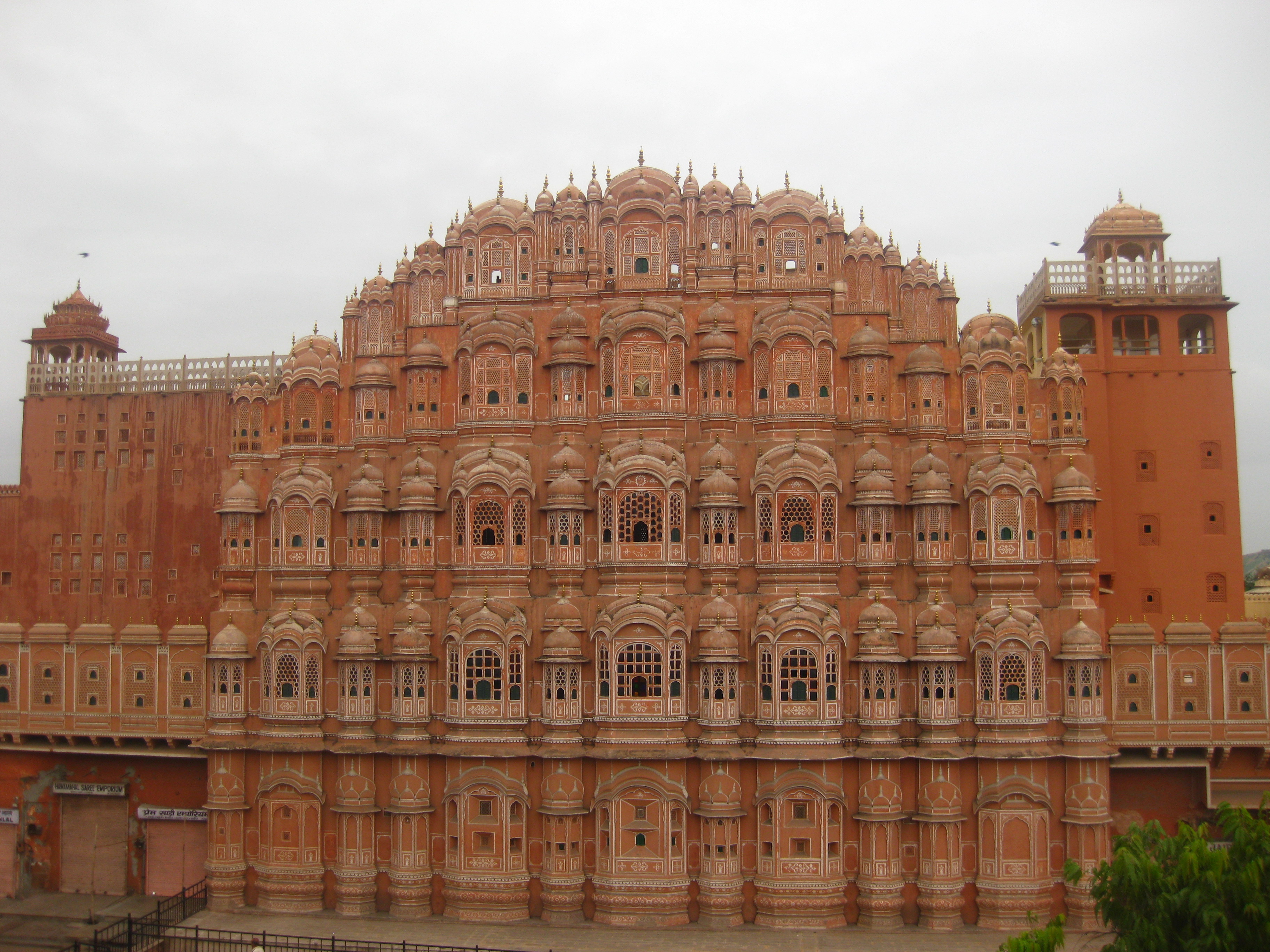
The five-storey “Palace of Winds”, its honeycomb façade of 953 tiny windows built so royal women could watch the street unseen. Jaipur’s single most photographed face.
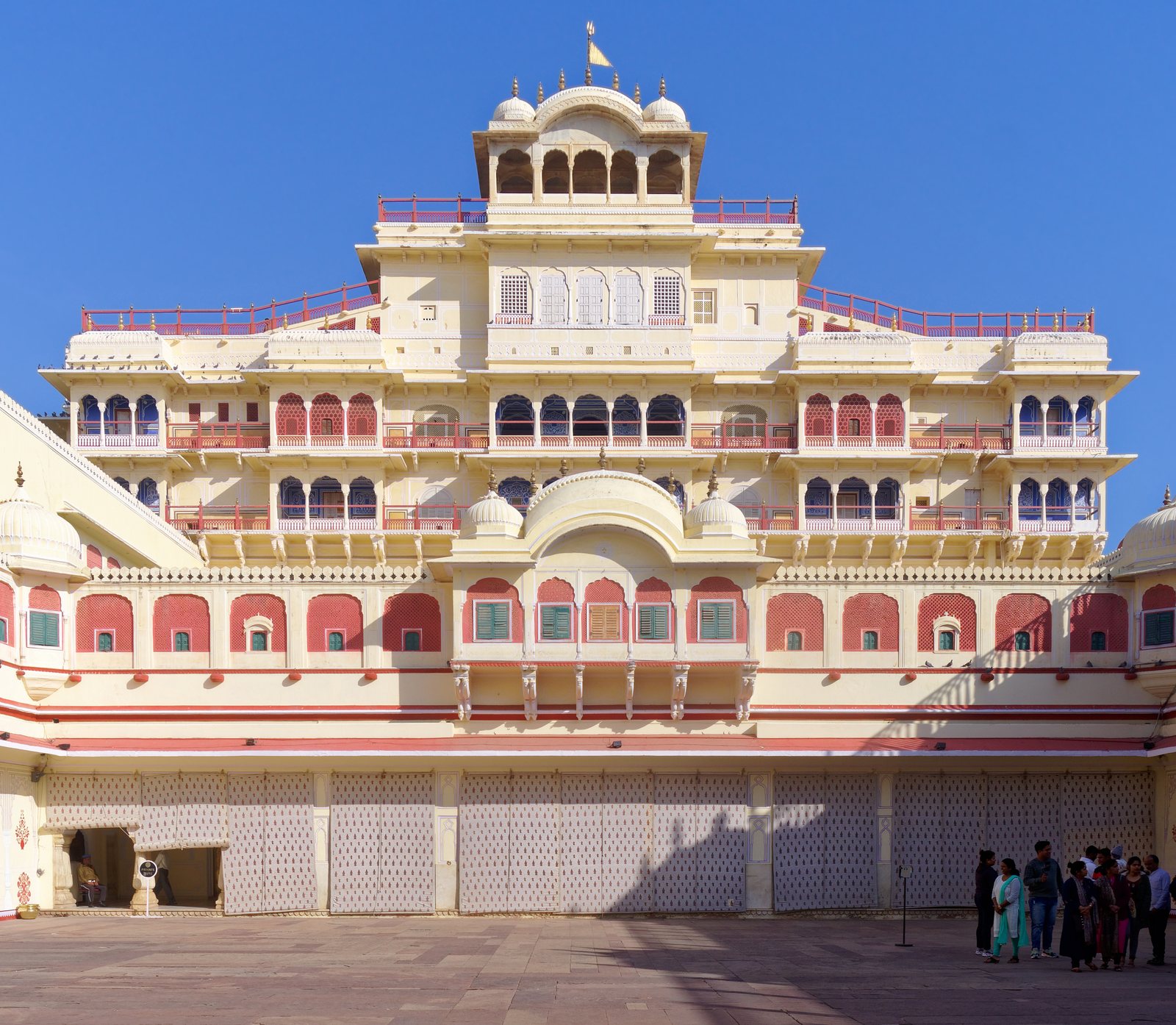
A working royal residence and museum complex of painted gateways, courtyards and armouries, where Rajput and Mughal styles meet under one roof.

Jai Singh’s open-air observatory — nineteen giant masonry instruments, including the world’s largest stone sundial, still accurate to the second.
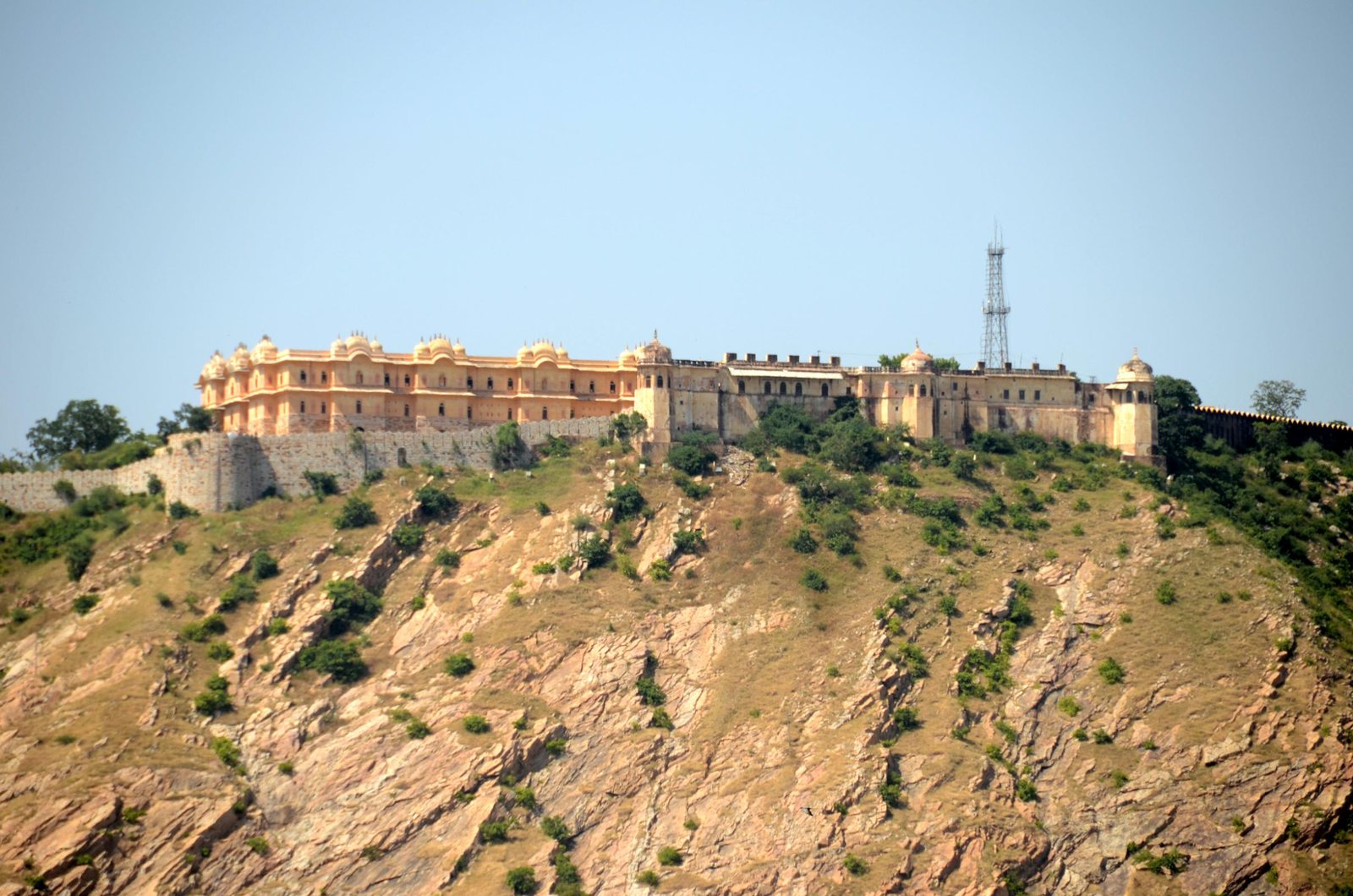
The ridge fort that watches over the whole city — the finest sunset view in Jaipur, with a café and a quirky wax museum for good measure.
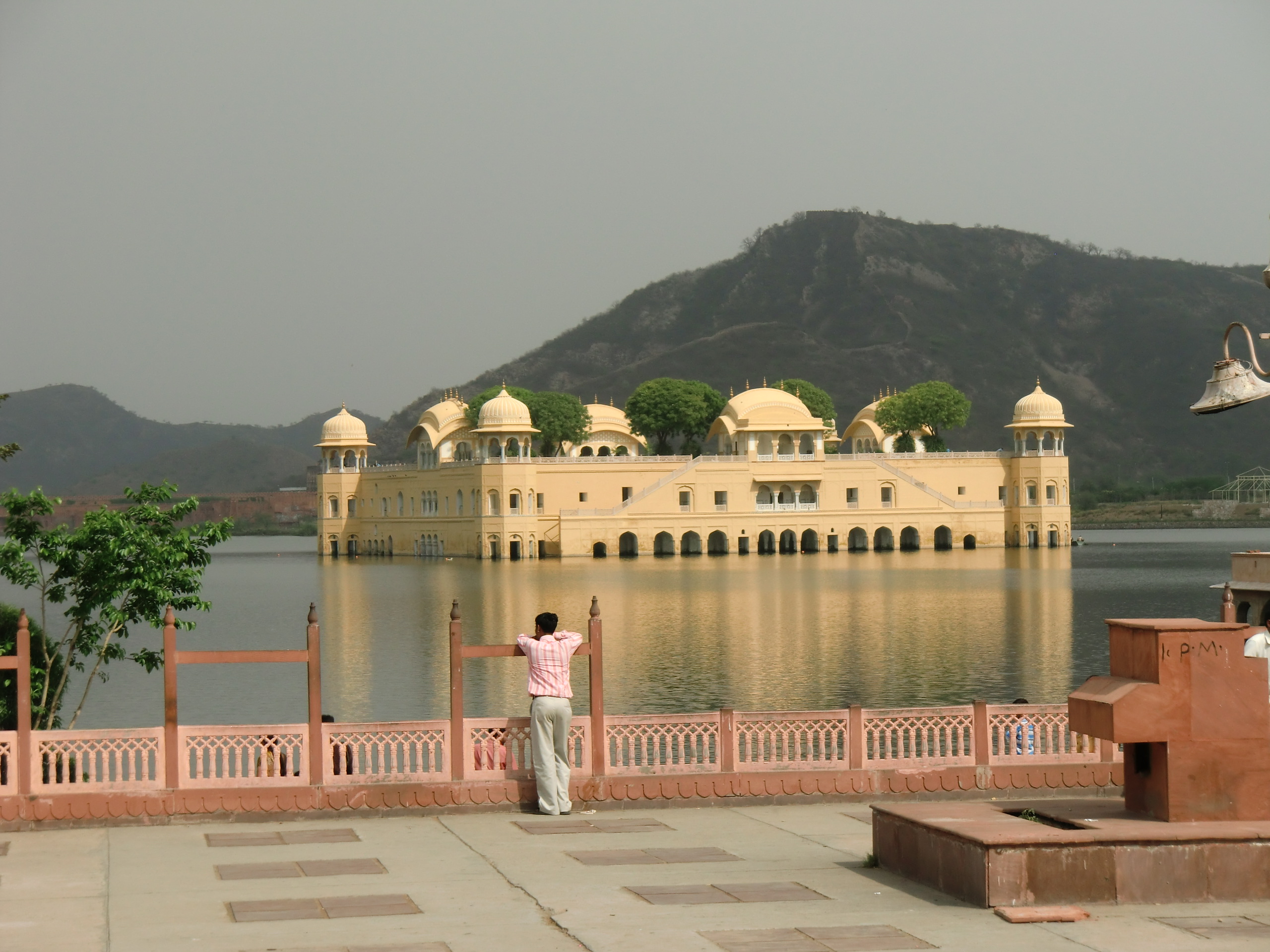
The “Water Palace” sitting serenely mid-lake on the way to Amer — a five-minute photo stop that everyone still makes.
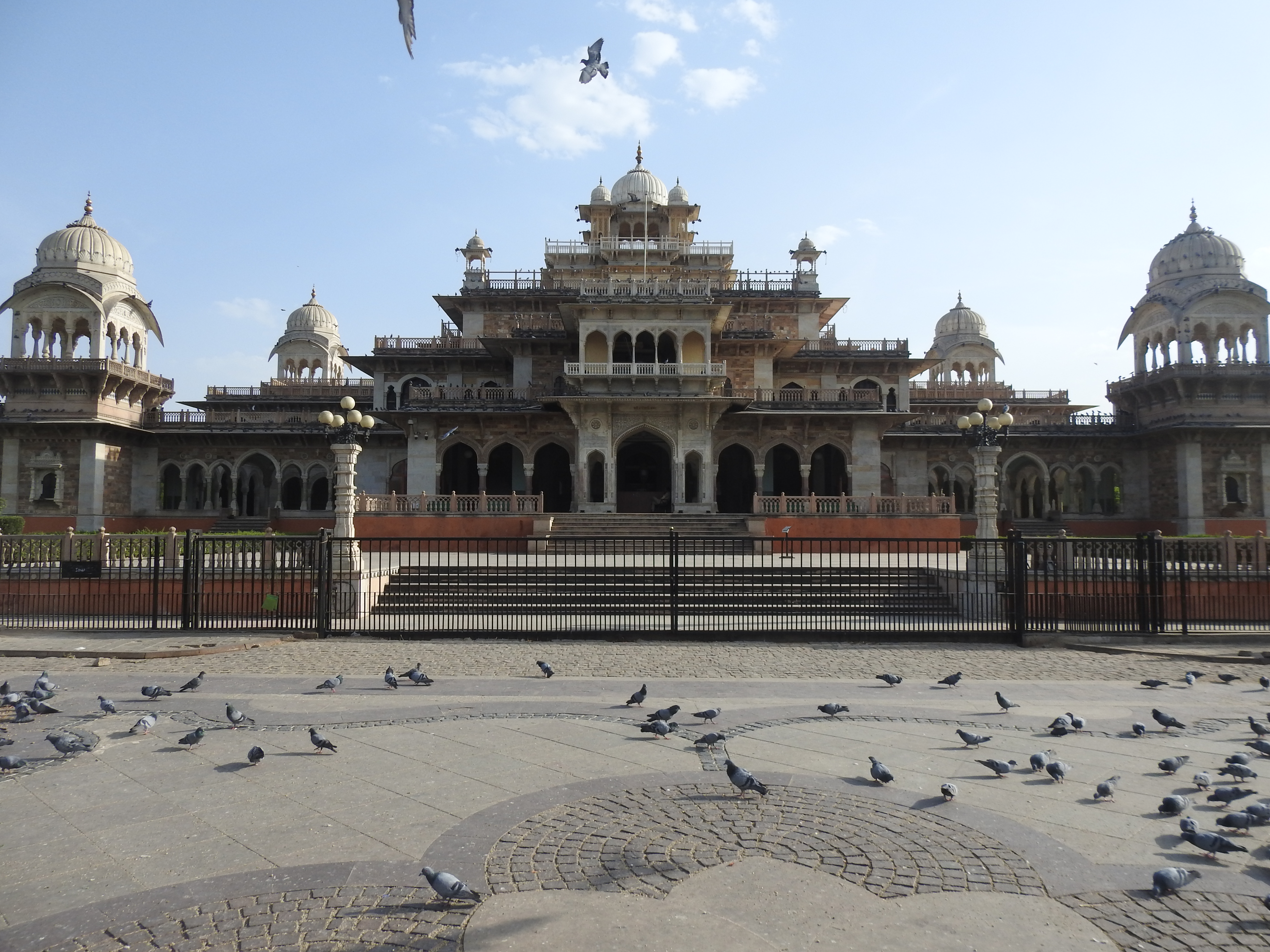
Rajasthan’s oldest museum, a grand Indo-Saracenic pile that glows golden when floodlit at night — worth an evening drive-by even if you skip the galleries.
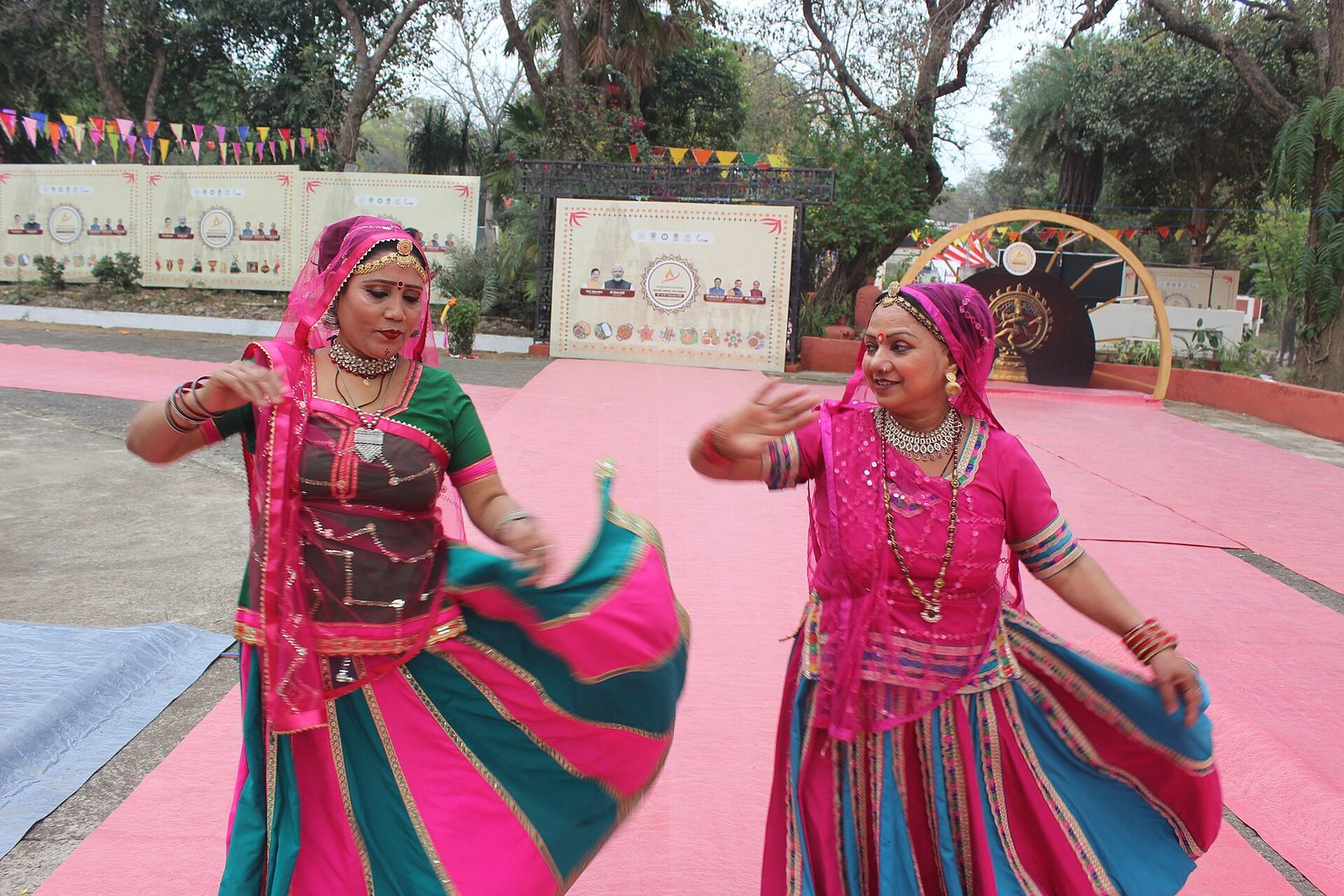
Set aside one evening for Chokhi Dhani, the ethnic-village resort on the city’s edge where a fixed entry (around ₹500, dinner included) buys a whole night of folk dance, puppetry, camel rides, mehndi and a proper thali eaten sitting on the floor. It is touristy and wonderful in equal measure — the easiest way to meet Rajasthan’s living culture in one place.
Back in town, the craft runs deep: blue pottery, hand block-printing from nearby Sanganer and Bagru, Kundan and Meenakari jewellery, and the lac bangles that give Tripolia Bazaar its colour. Come the right week, the calendar does the entertaining — kites fill the sky on Makar Sankranti in January, Gangaur processions wind through the old city in spring, and the free Jaipur Literature Festival turns the city into the self-styled book capital of the world.
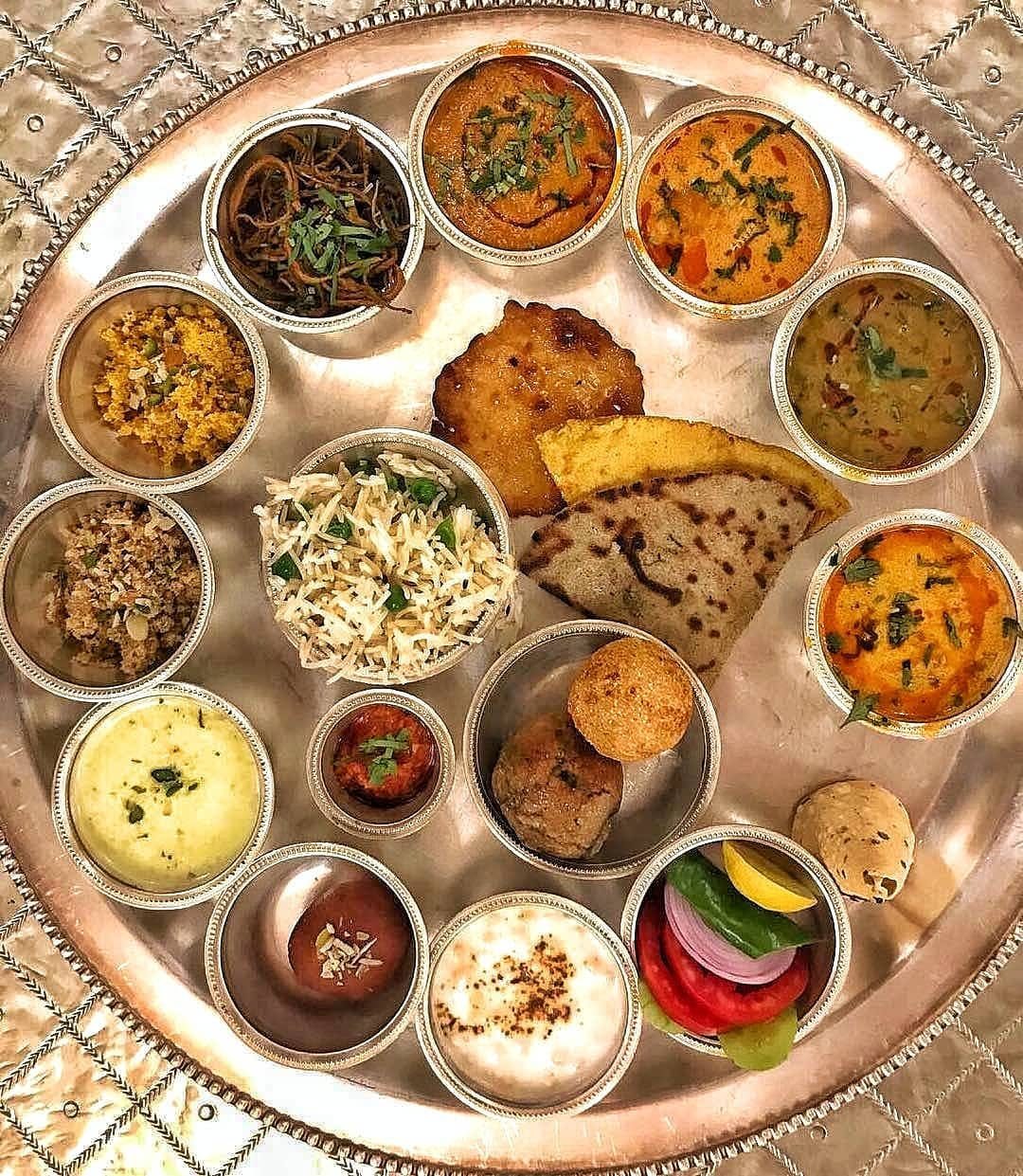
Eat like a local and you’ll meet dal-baati-churma, the fiery laal maas, ghewar dripping with syrup, a morning pyaaz kachori, and a thick, saffron lassi from the century-old Lassiwala on MI Road. It is rich, generous, unapologetically Rajasthani food.
Bargaining is expected and good-natured — carry small cash, keep valuables close in the crowd, and start low with a smile.
Every package runs on a private, air-conditioned car with a driver who stays with you the whole trip. Prices are indicative “from” starting points; tell us your dates, group and hotel choice and we’ll tailor it. Monument tickets are paid at the counters — your cab fare stays genuinely all-inclusive.
A relaxed shape most travellers settle into — forts on the fresh morning, palaces and bazaars by day, culture in the evening.
Well under 300 km and served every which way — but a private cab is the one that waits for you at every fort gate.
~280 km, 5–6 hrs on NH-48. All-inclusive from ₹4,350 — door to door, no dead-km.
Vande Bharat ~3h40m; Shatabdi ~4.5h (chair car ~₹690). Book on IRCTC.
~1 hr Delhi–Jaipur, plus airport transfers — rarely worth it over the drive.
Frequent Volvo & RSRTC coaches from ISBT, ~5–6 hrs. Check live on RedBus.
The same car and driver can carry your trip onward — a few favourites within a comfortable drive.
An all-inclusive Delhi→Jaipur cab starts at about ₹4,350 one-way (~280 km, toll, state tax, fuel and driver allowance in). Multi-day tour packages with hotel and sightseeing start from around ₹6,500 per person for 2 nights, 3 days.
October to March for cool, clear weather and the festival season. April–June is very hot; July–September is humid but green and less crowded.
Monument tickets are paid at the counters. A ₹300 composite ticket covers Amer, Hawa Mahal, Jantar Mantar and Nahargarh for two days. Your cab fare, though, is genuinely all-inclusive.
Yes — a long but doable day by private cab. You’ll cover the highlights; two nights is far more relaxed if you can spare them.
Absolutely. The classic 3N/4D Golden Triangle links Delhi, Agra and Jaipur from around ₹12,500 per person, with the same car throughout.
Yes — you pay only for the Delhi→Jaipur distance, with no return fare and no dead-km.
Tell us your dates and group — we’ll send an all-inclusive fare and a tailor-made Jaipur plan, no pushy upselling.